Vienna: A Journey Through the Heart of Central Europe
A global capital of classical music, imperial heritage, and modern innovation.
About Vienna
Vienna is not just a city; it is a grand stage where centuries of Imperial history harmonize with a high-tech, forward-thinking future. From its origins as a Roman military camp to its reign as the seat of the Habsburg Empire, Vienna has evolved into a global beacon of diplomacy, art, and “Old World” luxury.
Whether you are sipping a Melange in a 19th-century coffee house or attending a cutting-edge tech summit in Donau City, Vienna offers an experience that is both quintessentially European and uniquely global. The city’s atmosphere is a sophisticated blend of formal elegance (Etikette) and a relaxed quality of life (Gemütlichkeit), making it a destination that invites you to slow down and truly “unlock” its secrets.
A Brief History: From Vindobona to the Modern Metropolis
To understand Vienna today, one must look at its strategic position on the Danube River. The city’s foundations were laid by the Romans in the 1st century AD as a military camp known as Vindobona. Remnants of this ancient history are still visible today at Hoher Markt, right in the center of the city, serving as a reminder of Vienna’s 2,000-year-old origins.+1
The Habsburg Legacy and Baroque Splendor
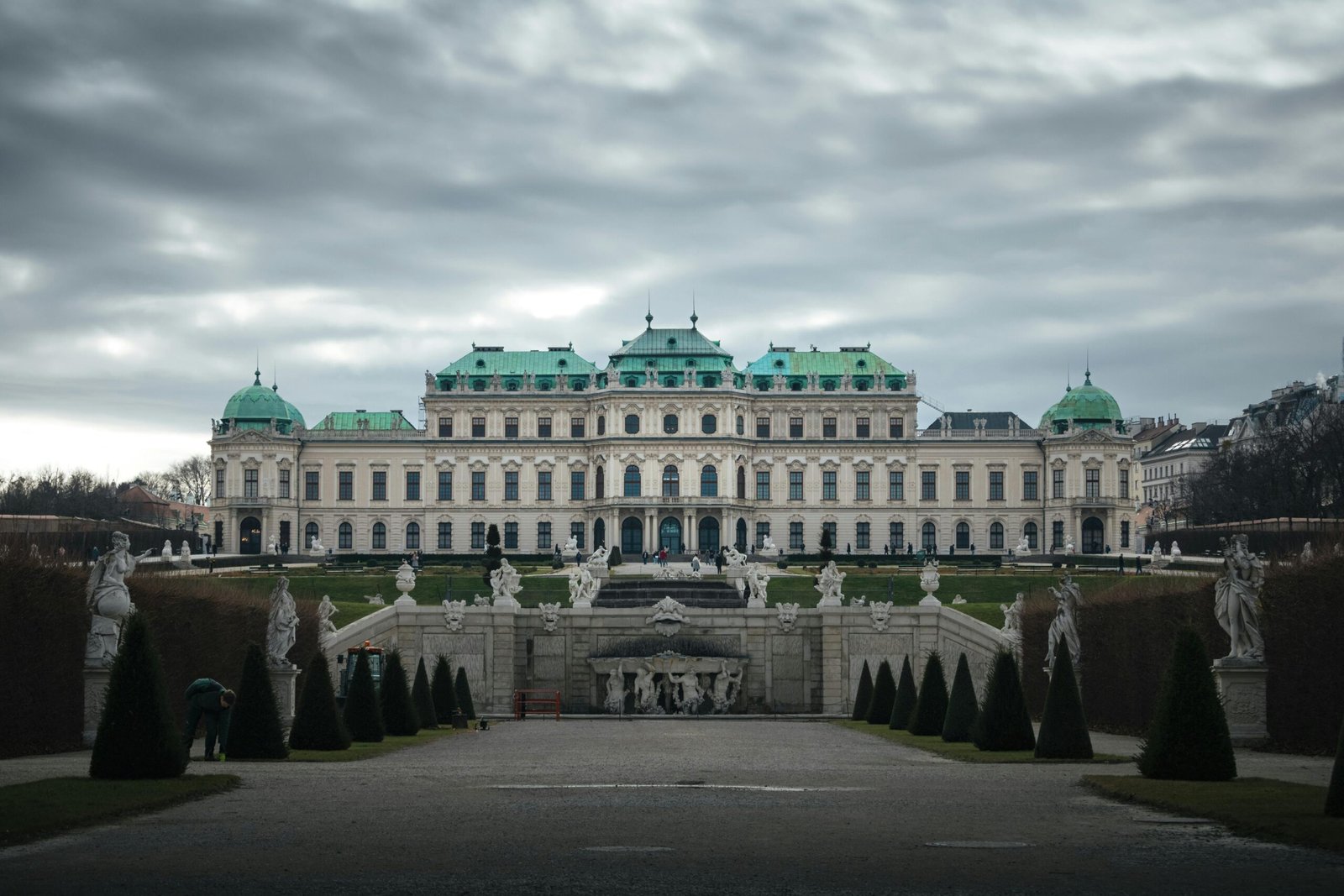
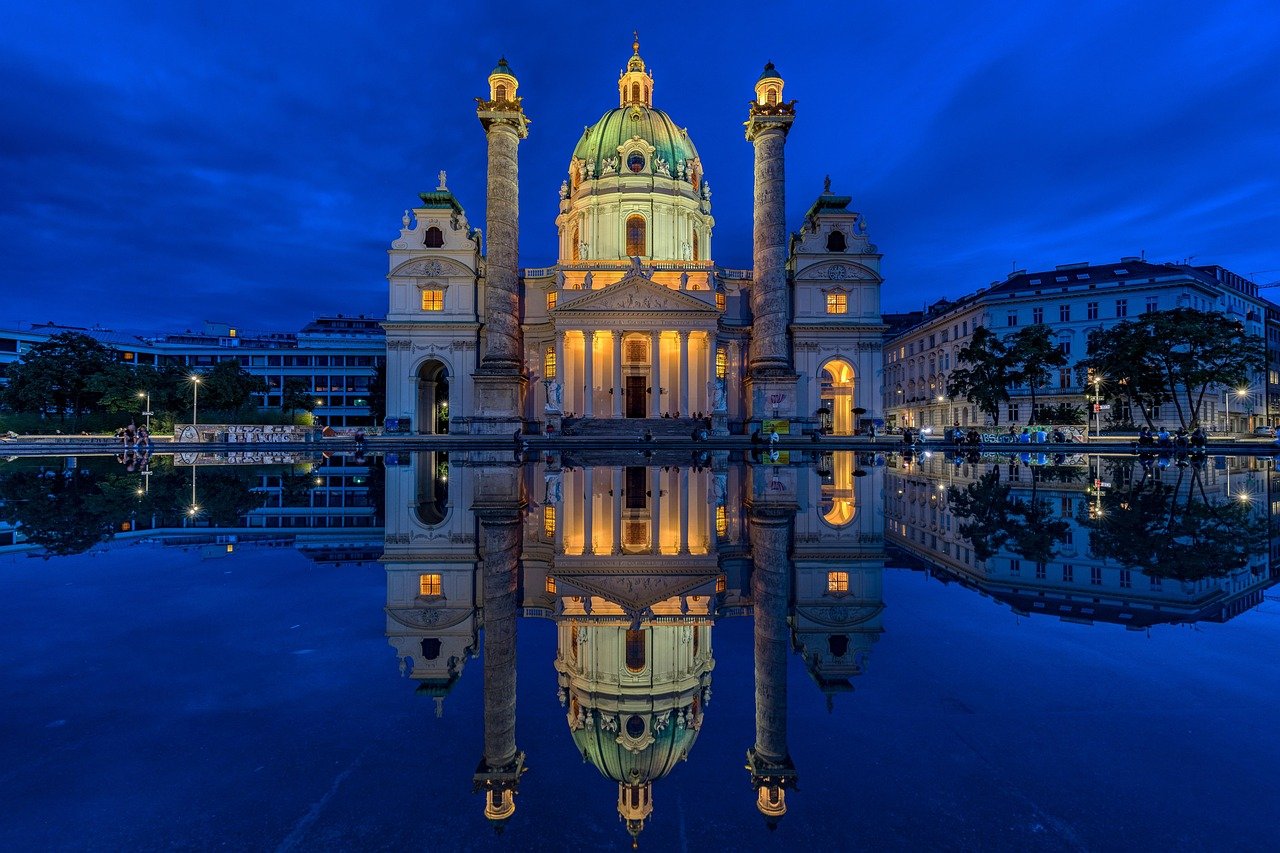
For over six centuries, Vienna was the heart of the Habsburg Empire. Following the defeat of the Ottoman sieges, the city underwent a massive architectural renaissance. From this era rose the Baroque masterpieces of Johann Bernhard Fischer von Erlach, most notably Schönbrunn Palace and the Karlskirche. This period defined the “Imperial Style”—a city of white stone, gold leaf, and sprawling gardens that still dominates the landscape today.
The Ringstrasse Era and the Birth of Modernism
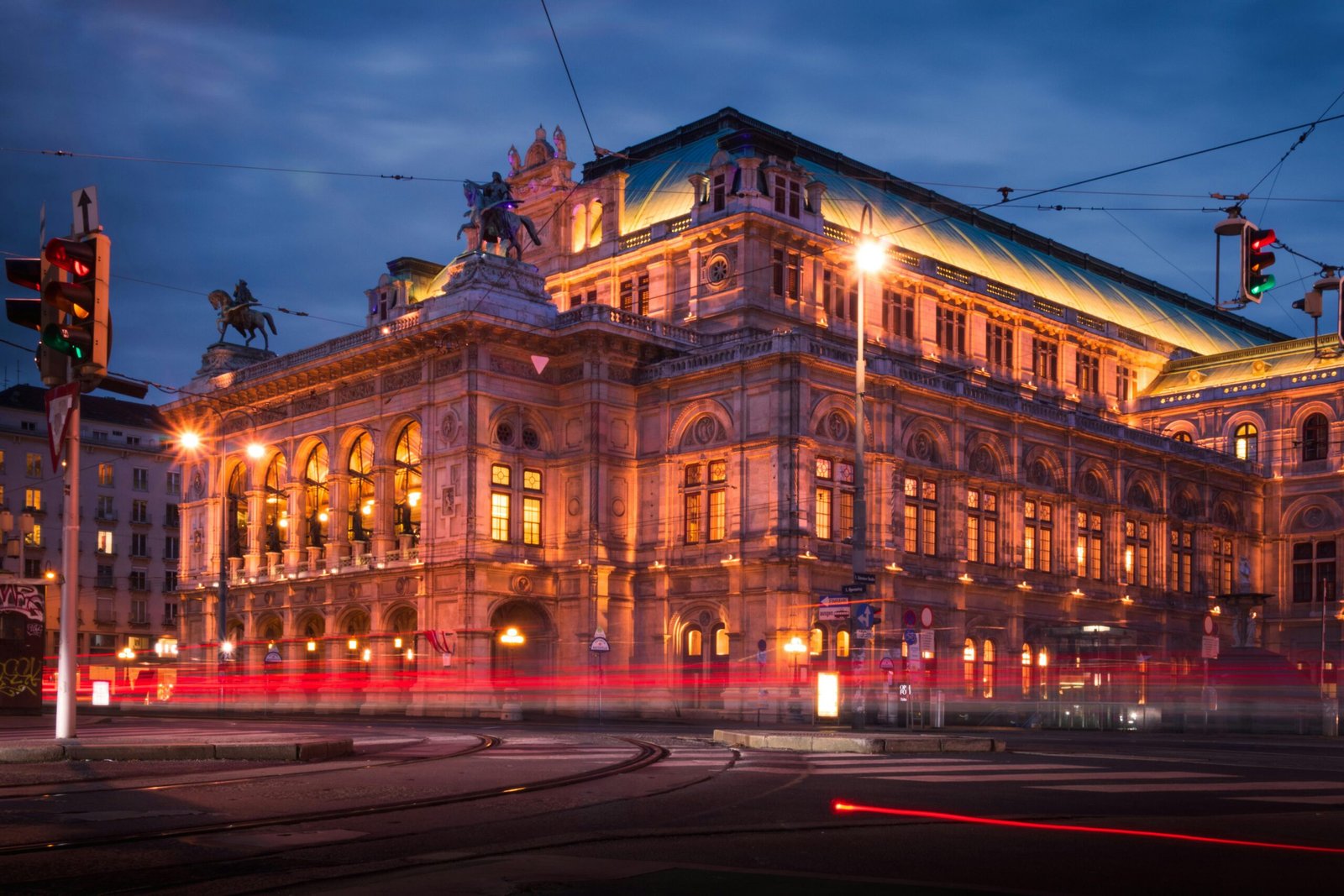
In the mid-19th century, Emperor Franz Joseph I ordered the demolition of the city’s medieval walls to create the Ringstrasse. This grand circular boulevard gave us the city’s most iconic landmarks, including the State Opera, the Parliament, and the City Hall (Rathaus). Simultaneously, Vienna became a hotbed for the Fin-de-Siècle movement, giving the world the “Secession” art of Gustav Klimt and the psychoanalysis of Sigmund Freud.
Navigating the Districts: Vienna’s Unique Neighborhoods
Vienna is a city of distinct characters, where imperial history, high-tech business, and rustic vineyards coexist within minutes of each other. The city is organized into 23 districts, each offering a different “vibe” for your event or stay.
District 1 (Innere Stadt): The Imperial Heart
This is the Vienna of postcards and the primary destination for any prestigious event. Home to St. Stephen’s Cathedral, the Hofburg Palace, and the Vienna State Opera, the 1st District is a UNESCO World Heritage site. Walking through these cobbled streets, you feel the weight of the Habsburg Empire. It is the administrative and luxury heart of Austria.
District 2 (Leopoldstadt): The Modern Pulse & Green Lung
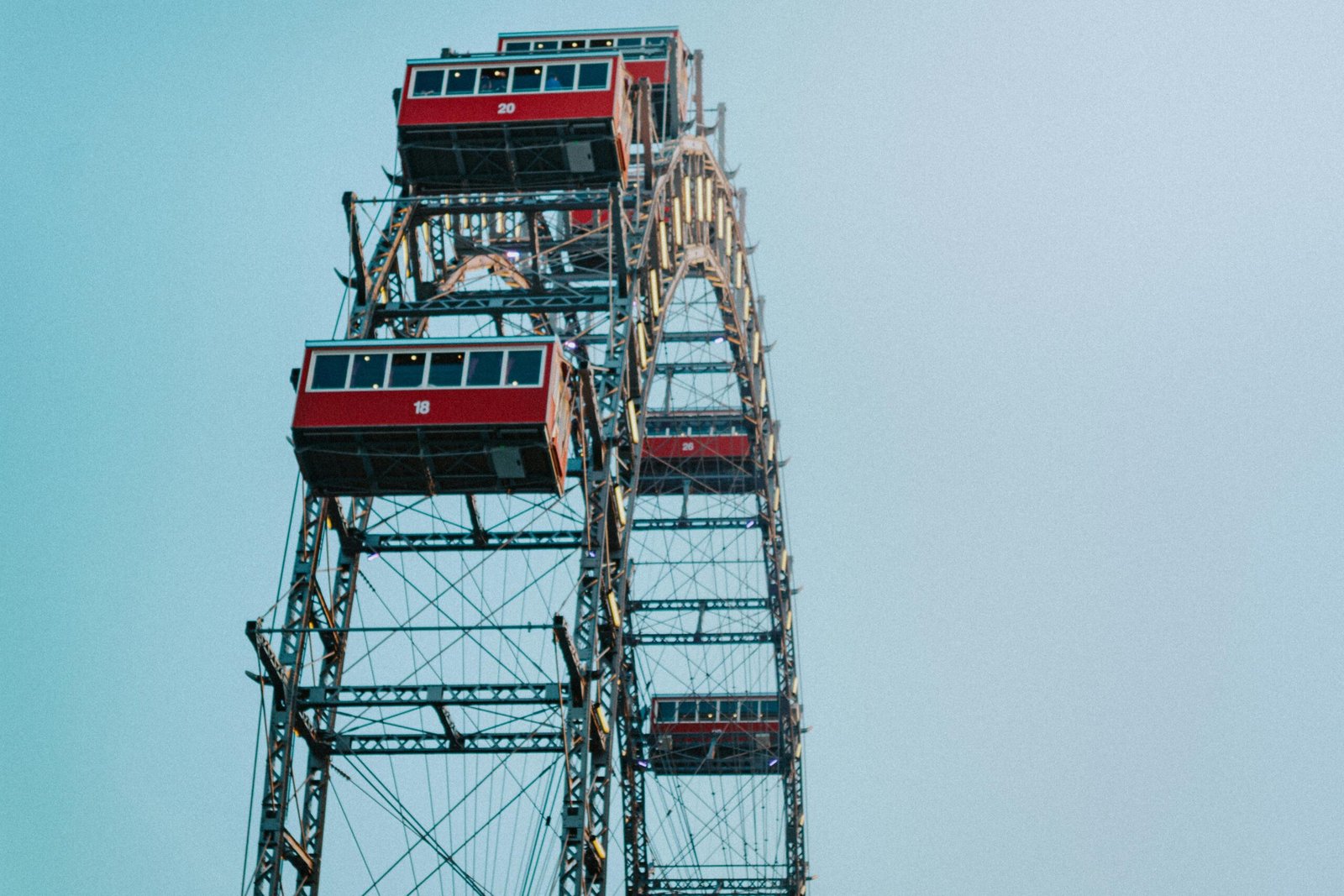
Located between the Danube Canal and the Danube River, the 2nd District is the city’s tireless engine of creativity and business. It is home to the Prater (with its iconic Giant Ferris Wheel) and the Messe Wien Exhibition Congress Center. It’s where historic Jewish heritage meets modern tech start-ups and the vast green spaces of the Prater woods.
District 7 (Neubau): The Edgy Creative Hub
Once a district of silk weavers, Neubau is now the canvas for Vienna’s independent design scene. Centered around the MuseumsQuartier (MQ)—one of the largest cultural complexes in the world—this district is famous for its “Concept Stores,” art galleries, and vibrant “Bobo” (Bourgeois-Bohemian) lifestyle. It is the “Shoreditch” of Vienna, perfect for unconventional brand launches.
District 19 (Döbling): The Vineyard Elegance
Where the city meets the Vienna Woods. Döbling is the most prestigious residential district, famous for its Heuriger(wine taverns) and rolling vineyards. It offers a rustic yet high-end atmosphere, ideal for incentive dinners or executive retreats overlooking the city skyline.
Iconic Landmarks You Cannot Miss
No visit to Vienna is complete without witnessing the landmarks that define the former seat of the Holy Roman Empire.
The Hofburg Imperial Palace The former winter residence of the Habsburgs is a city-within-a-city. It houses the Austrian Crown Jewels in the Imperial Treasury and the world-famous Spanish Riding School. For event planners, its grand halls offer a venue experience that is historically unparalleled in Europe.
St. Stephen’s Cathedral (Stephansdom) The giant of the Innere Stadt, this Gothic masterpiece with its multi-colored tile roof is the spiritual heart of Vienna. For a unique perspective, climb the South Tower for a bird’s-eye view of the city’s winding medieval streets.
Schönbrunn Palace The Habsburgs’ summer residence is Austria’s answer to Versailles. With 1,441 rooms and sprawling Baroque gardens, it is a UNESCO World Heritage site. It provides an elite backdrop for gala dinners and high-level corporate retreats that require a “Royal” atmosphere.
The Prater & Giant Ferris Wheel (Riesenrad) Standing since 1897, the Riesenrad is a symbol of Vienna’s resilience and charm. It offers a nostalgic, 360-degree view of the city. Private, gourmet-catered cabins are available, making it one of the most iconic incentive experiences in Central Europe.
The UNESCO Tradition: The Viennese Coffee House Ritual
You cannot truly say you have experienced Vienna without indulging in the “Jause”—the traditional afternoon coffee and cake break. This isn’t just a snack; it is an intangible cultural heritage that has defined Viennese life since the 17th century.
The Viennese coffee house is a “democratic club” where, for the price of a single coffee, you can stay for hours. It is the ritual of the silver tray, the obligatory glass of water, and the legendary Thonet bentwood chairs.
Iconic “Sweet” Experiences for Incentives
From the imperial elegance of the Ringstrasse to modern rooftop takes, Vienna offers a variety of ways to experience this tradition:
Modern “Tea” Innovations: For groups seeking a contemporary twist, Atelier 7 at the Mandarin Oriental or Theo’s Tea Time at the Anantara Palais Hansen offer Michelin-curated afternoon tea experiences that blend British tradition with Austrian “Guglhupf” and local delicacies.
The Original Sacher Torte: Visit the Hotel Sacher for the world’s most famous chocolate cake, served in a setting of deep red damask and crystal chandeliers.
Café Central’s Patisserie: Sit beneath the soaring neo-Gothic vaults where Trotsky and Freud once sat, and choose from a display of handmade cakes that are true works of edible art.
Demel’s Royal Heritage: Formerly the “Purveyor to the Imperial and Royal Court,” Demel allows guests to watch master pastry chefs at work through glass-walled kitchens.
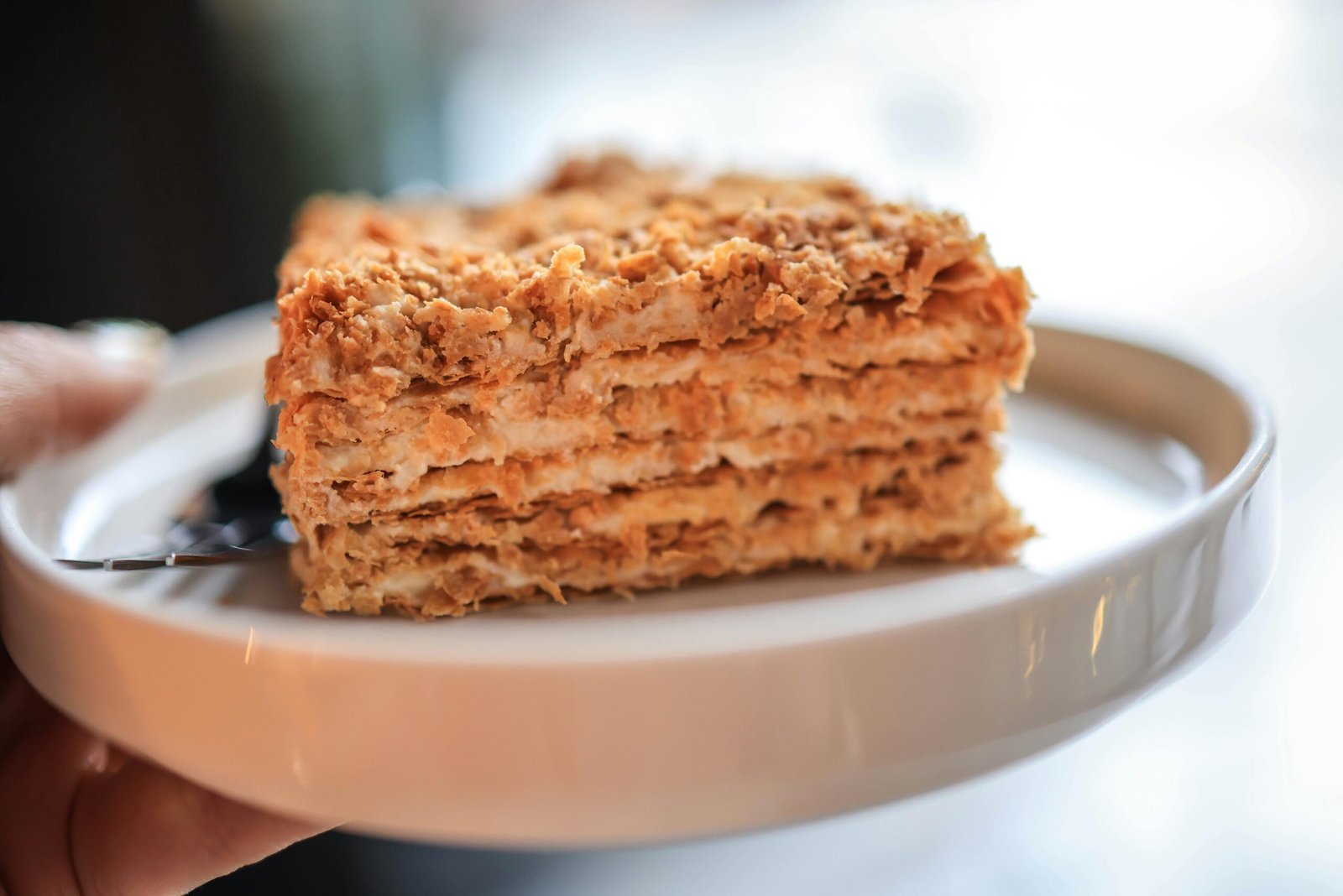
Vienna’s Gastronomy: From Coffee Houses to Michelin Stars
Vienna is a culinary crossroads where Central European tradition meets modern fine dining. The city’s food scene is a testament to its imperial past—refined, indulgent, and deeply social.
The Viennese Coffee House (Kaffeehaus)
The coffee house is the “living room” of Vienna. Included in UNESCO’s Intangible Cultural Heritage list, it is a place where time stands still. From the legendary Sacher Torte at Hotel Sacher to the artistic atmosphere of Café Central, these institutions are perfect for casual networking or intimate executive breaks.
Heuriger: The Authentic Wine Tavern
Unique to Vienna, the Heuriger culture in districts like Grinzing and Nussdorf offers a rustic yet sophisticated dining experience. These taverns serve local Viennese wine (like the Wiener Gemischter Satz DAC) alongside traditional buffet spreads. They are the premier choice for relaxed corporate welcome dinners and incentive group celebrations.
Naschmarkt: A Culinary Landmark
Vienna’s most famous market is a sensory journey through international flavors and local specialties. Stretching for nearly 1.5 kilometers, the Naschmarkt features everything from artisanal Austrian vinegars to Middle Eastern spices and fresh seafood. It is an ideal location for organized “foodie” treasure hunts or culinary incentive tours.
A Capital of Imperial Sports & Alpine Proximity
Vienna offers a different kind of sporting prestige—centered on equestrian excellence, winter sports, and the majestic Danube.
Water Sports on the Danube: The Donauinsel (Danube Island) is a 21-kilometer long park that hosts international sporting events, from beach volleyball championships to rowing and sailing regattas, providing a modern, active contrast to the city’s historic center.
Equestrian Excellence: The Spanish Riding School is the only institution in the world which has practiced for over 450 years and continues to cultivate classical equitation in the Renaissance tradition. A private performance of the Lipizzaner Stallions is the pinnacle of Viennese sporting culture.
The Vienna City Marathon: One of the most scenic marathons in the world, the course takes runners past the city’s grandest imperial landmarks, finishing at the historic Heldenplatz.
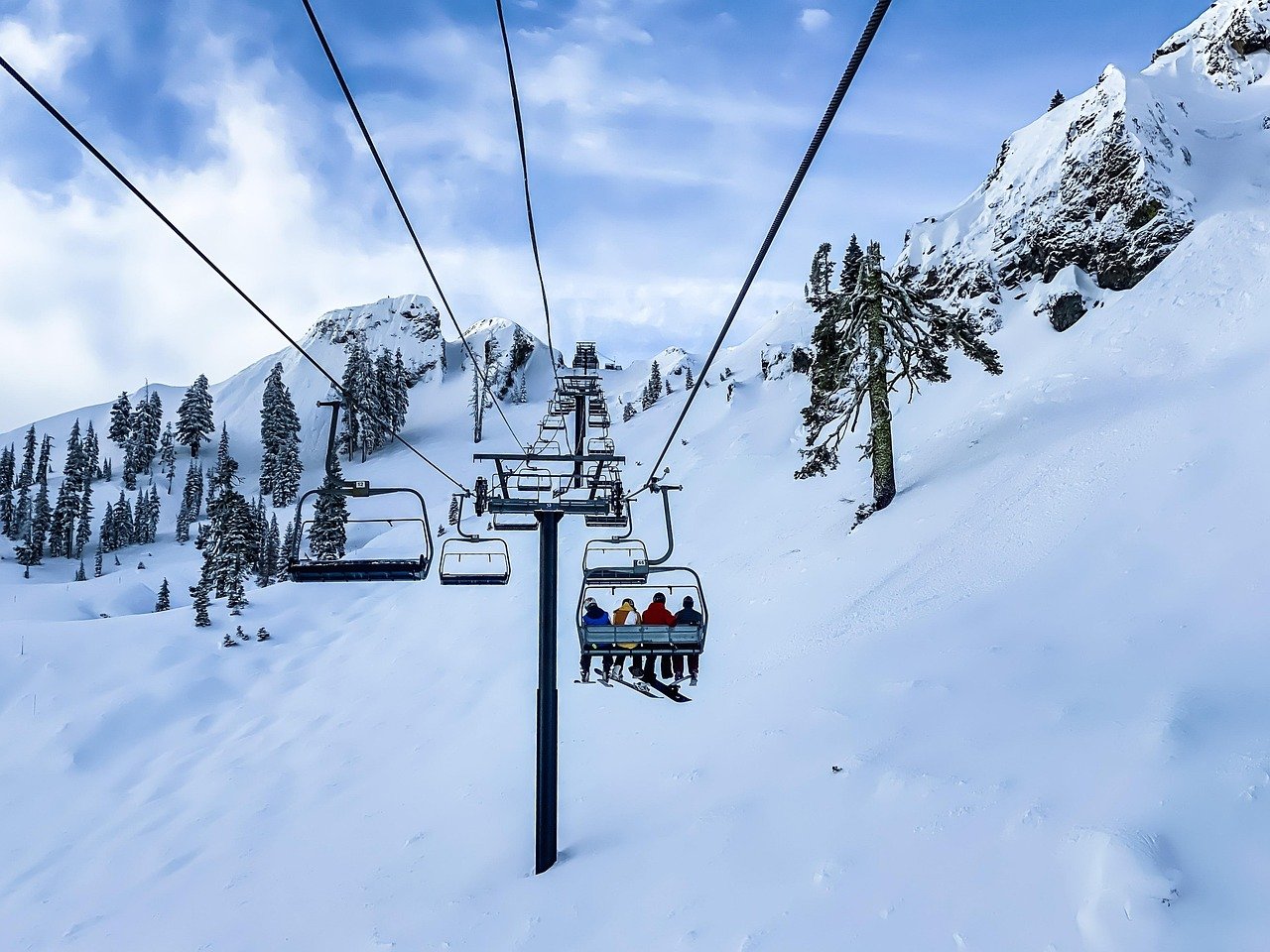
Alpine & Winter Sports: Vienna serves as the gateway to the Austrian Alps. For incentive groups, this means easy access to world-class skiing in Semmering (just 1 hour away) or summer hiking and mountain biking in the Vienna Woods.
Parks and Green Spaces: The Lungs of Vienna
Despite its imperial density, Vienna is a world leader in urban green space. More than half of the city is green, offering a quality of life that is unparalleled among European capitals.
- The Volksgarten: Located along the Ringstrasse, this “People’s Garden” is famous for its neoclassical Sisi Memorial and a rose garden featuring over 400 varieties. It is the perfect backdrop for outdoor corporate receptions.
- The Prater (Hauptallee): Once an imperial hunting ground, this 6-square-kilometer park is the city’s playground. Its 4.5km main avenue is a car-free paradise for runners, cyclists, and team-building activities.
- Schönbrunn Gardens: A masterpiece of Baroque landscape architecture. It features the “Gloriette” hill for panoramic views, the world’s oldest zoo (Tiergarten Schönbrunn), and the stunning Palm House.
- The Vienna Woods (Wienerwald): A UNESCO-designated Biosphere Reserve that borders the city. It offers hundreds of kilometers of hiking trails and is the source of Vienna’s unique micro-climate.
Beyond the City: Iconic Day Trips from Vienna
Vienna’s location in the heart of Central Europe makes it the perfect gateway for exploring the Danube Valley and the Austrian Alps.
The Wachau Valley (UNESCO World Heritage)
Just an hour west of Vienna, this stunning river valley is famous for its apricots, world-class Rieslings, and the magnificent Melk Abbey. We arrange private river cruises and vineyard tours that serve as the ultimate incentive day trip.
Salzburg: The City of Music
Accessible in just 2.5 hours via the “Majestic Imperator” private train or high-speed rail, the birthplace of Mozart and the setting for The Sound of Music offers a breathtaking Alpine backdrop for multi-city programs.
Bratislava: A Two-Capital Experience
Known as the “Twin City” to Vienna, the Slovakian capital is only 60km away. We offer high-speed Twin City Linercatamaran transfers down the Danube, allowing groups to experience two European capitals in a single day.
Hallstatt & The Salzkammergut
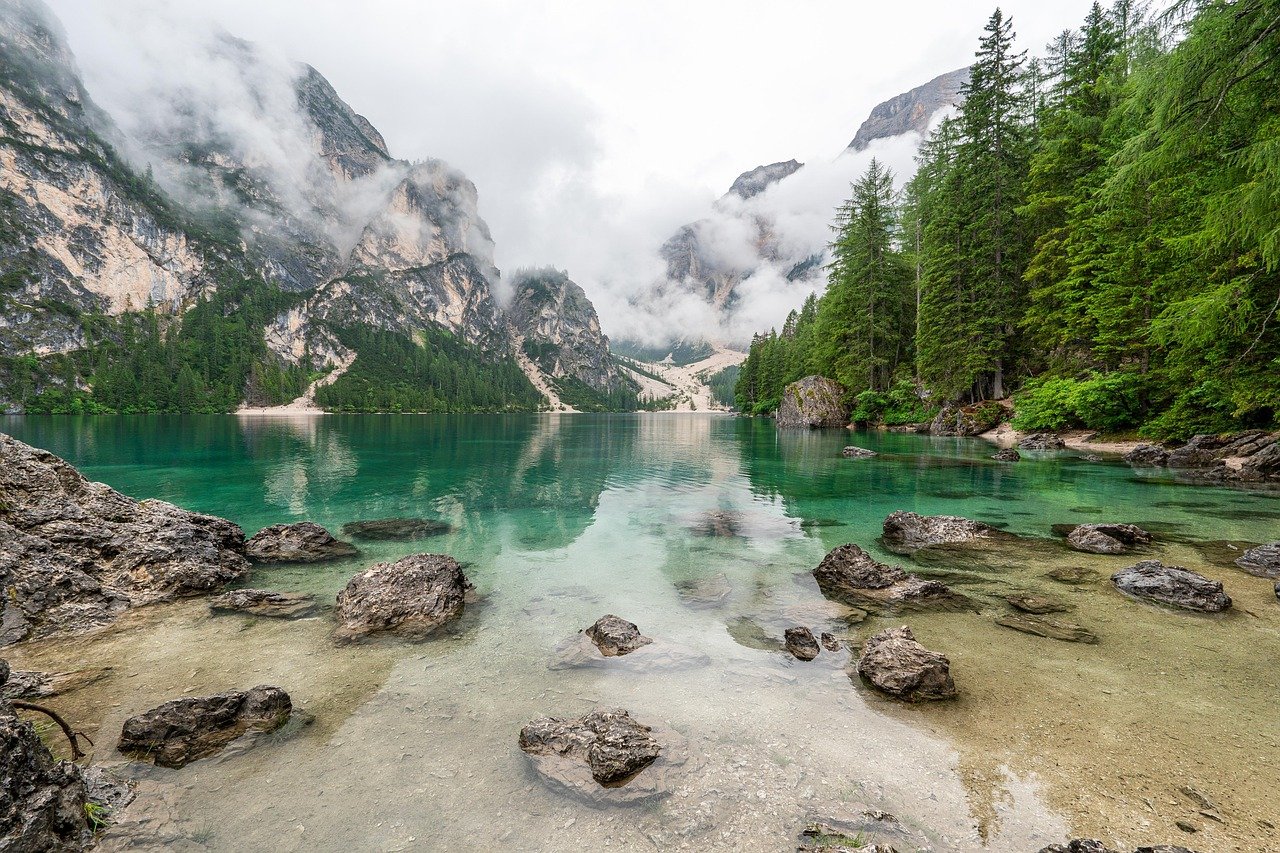
For the “bucket list” incentive, a trip to the lakeside village of Hallstatt provides the iconic Austrian Alpine aesthetic—dramatic mountains, salt mines, and skywalks—perfect for high-achiever reward programs.
Shopping: From Imperial Promenades to Trendy Concept Stores
Vienna offers a sophisticated retail landscape that balances high-end glamour with quirky, independent design.
The Golden Quarter (Goldenes Quartier): The Pinnacle of Luxury Located in the heart of the Innere Stadt, the Golden Quarter is Vienna’s most exclusive shopping destination. It seamlessly blends historic preservation with modern luxury, housing flagship stores for Louis Vuitton, Prada, Saint Laurent, and Chanel. This pedestrianized zone is the “Bond Street” of Austria, perfect for high-net-worth visitors seeking the ultimate in style.
Kohlmarkt, Graben & Kärntner Straße: The Golden Triangle These three historic streets form the primary shopping artery of the city center.
- Kohlmarkt: Home to elite jewelers like Tiffany and Cartier, as well as the legendary Demel bakery.
- Graben: A wide, elegant promenade featuring high-end boutiques and the luxury gourmet emporium Julius Meinl am Graben.
- Kärntner Straße: Connects St. Stephen’s Cathedral to the State Opera, offering a mix of international brands and traditional Austrian retailers like the Steffl Department Store.
Mariahilfer Straße: The Lively High-Street Hub Stretching for 1.8 kilometers, “Mahü” is Vienna’s longest shopping street. It is the city’s primary high-street engine, featuring a diverse range of international fashion chains, tech stores, and the historic Gerngross Department Store. It is the local favorite for an all-day retail stroll.
Neubaugasse & Spittelberg: Alternative & Sustainable Fashion For those seeking “London’s Camden” vibe, the 7th District (Neubau) is the creative heart of Vienna. Here, you’ll find independent boutiques, sustainable fashion labels, and vintage treasures. Neubaugasse is famous for its eclectic concept stores and hidden courtyards that showcase the “New Viennese” creative scene.
The Naschmarkt Flea Market: A Saturday Institution Every Saturday, the end of the Naschmarkt transforms into Austria’s premier Flohmarkt (flea market). It is a paradise for antique lovers and vintage hunters, offering everything from Habsburg-era curiosities to retro vinyl and mid-century furniture.
Practical Information for Your Vienna Journey
Getting Around: A World-Class Transit Network
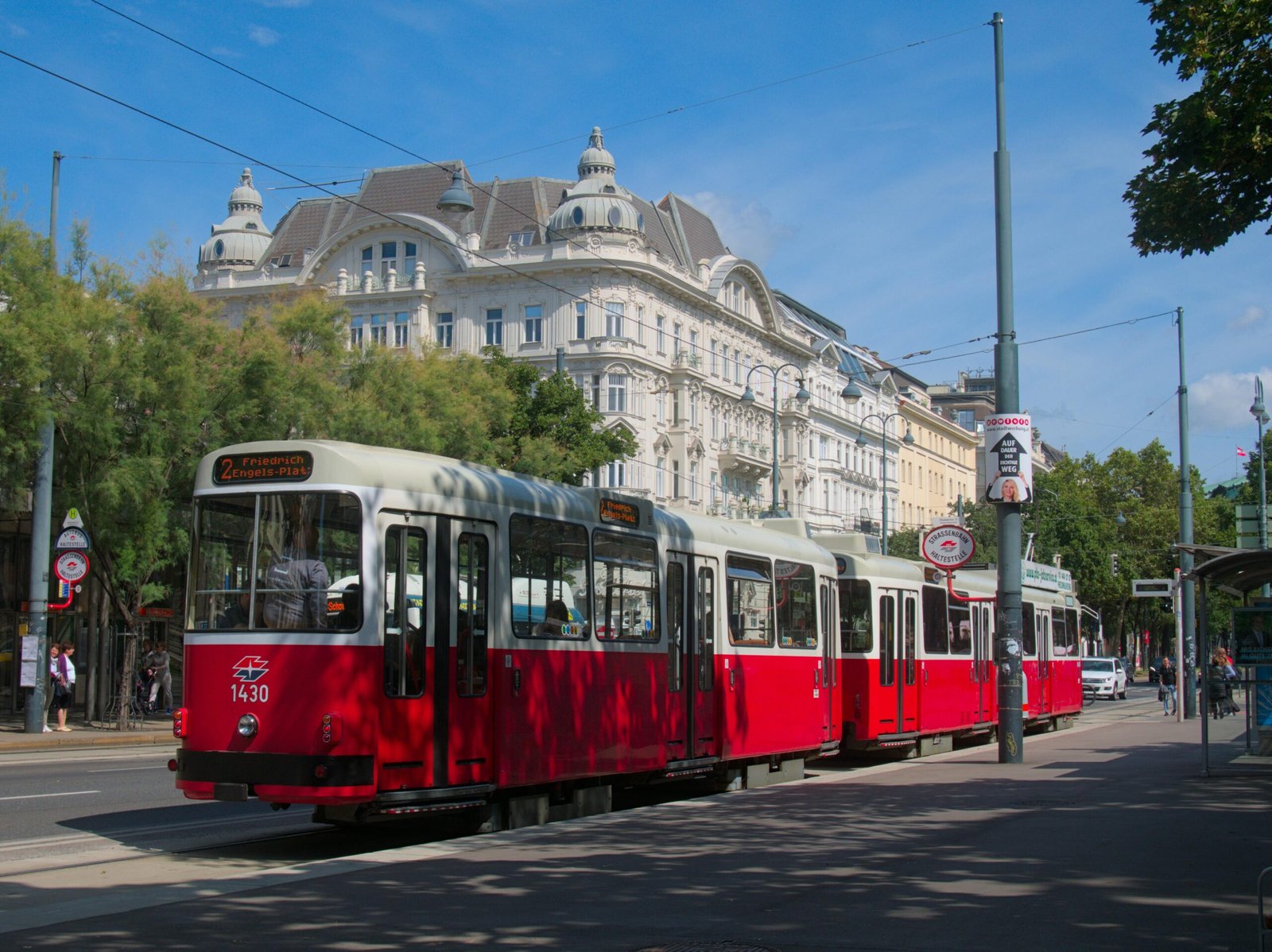
The Vienna public transport system (Wiener Linien) is legendary for its punctuality and reach. With five U-Bahn (underground) lines, dozens of trams (Bims), and a comprehensive bus network, you are never more than a few minutes from your next destination.
Digital Strategy Tip: As of January 2026, Vienna has moved to a Digital-First pricing model. While paper tickets are still available at machines, digital versions purchased via the WienMobil app are approximately 5% cheaper.
- Standard Single Trip (2026): €3.00 (Digital) vs. €3.20 (Paper).
- 24-Hour Vienna Ticket: €9.70 (Digital). This is the “gold standard” for day visitors, offering unlimited travel across all trams, buses, and trains within the city limits.
The Honor System: Vienna operates on an “honesty system” with no physical barriers at stations. However, ensure your digital ticket is activated before you board, as random spot checks are frequent and fines for “black riding” have increased to €135 in 2026.
Weather and When to Visit
Vienna is a true four-season destination, each offering a distinct “vibe” for corporate events and leisure travelers alike.
Winter (November–February): A Fairy-Tale Capital. Late November through December is “Christmas Market Season,” transforming squares into festive hubs. January and February are “Ball Season,” where the city’s elite gather for over 450 formal dances, including the world-famous Opera Ball.
Spring (March–May): The “Imperial Bloom.” Temperatures range from 10°C to 20°C. This is the best time for outdoor incentive programs in the gardens of Schönbrunn or Belvedere.
Summer (June–August): Festival Season. With highs of 25°C–30°C, the city moves outdoors to the Danube Island (Donauinsel) for festivals and the Rathausplatz for the open-air film and food festival.
Autumn (September–October): The Golden Harvest. The Vienna Woods turn vibrant colors, and it is the peak season for visiting the Heurigen (wine taverns) for the new grape harvest.
The Secret Side of Vienna: Hidden Gems
While the world knows the Opera House, the true magic of Vienna is found in its hidden niches and “secret” views.
- The Durchhäuser (Hidden Passageways): Vienna’s 1st District is honeycombed with medieval “through-houses.” These narrow, vaulted passageways lead to quiet, vine-covered courtyards that feel centuries away from the busy streets. They are perfect for exclusive “Scavenger Hunt” team-building events.
- The Third Man Sewer Tour: For a “Little Venice” alternative, descend into Vienna’s historic sewage system. Made famous by the 1949 film The Third Man, this underground tour offers a gritty, fascinating look at the city’s infrastructure and cinematic history.
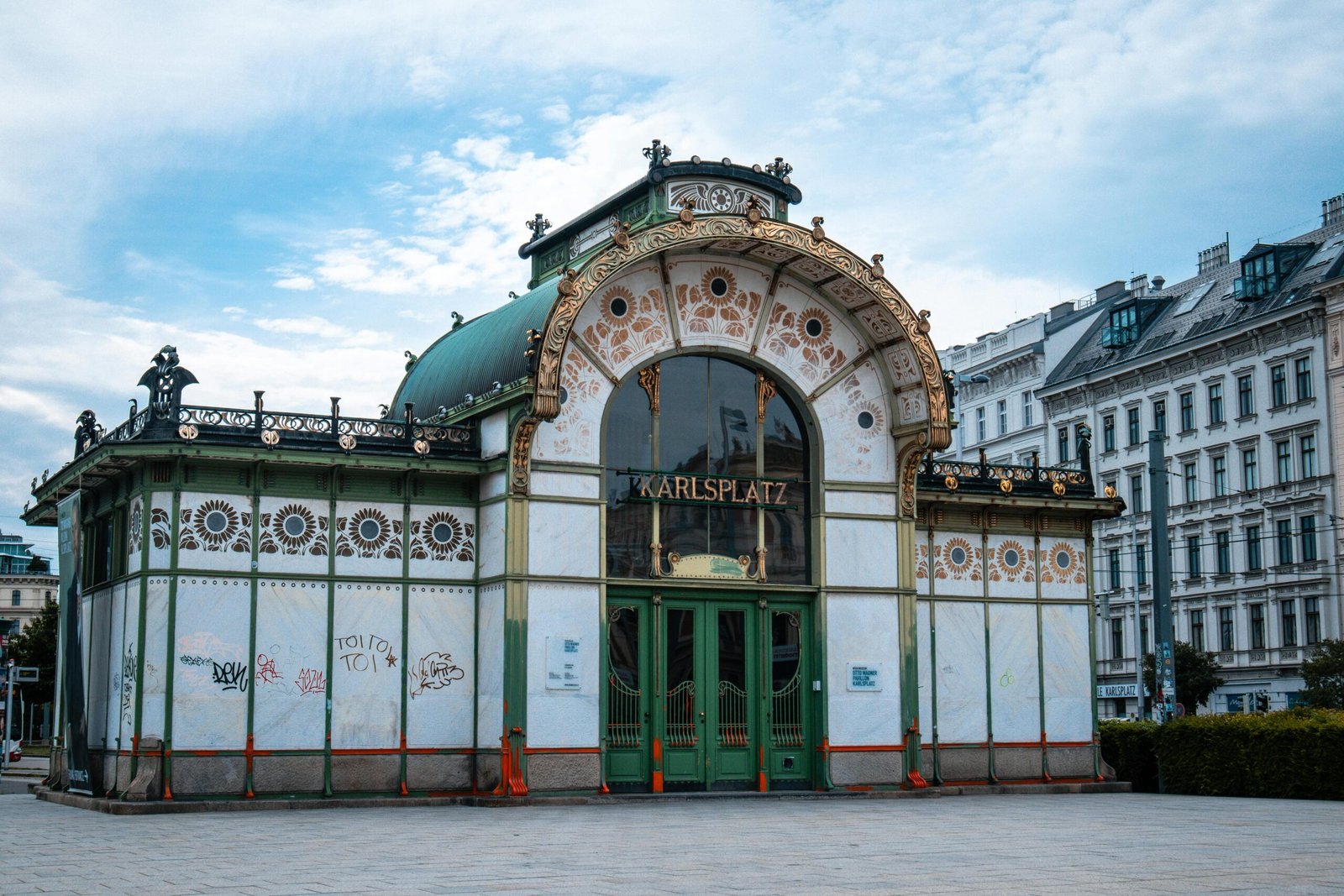
- Otto Wagner’s Church at Steinhof: While everyone visits St. Stephen’s, this Art Nouveau (Jugendstil) masterpiece sits on a hill in the 14th District. With its golden dome and modernist stained glass, it is a hidden gem for architecture enthusiasts.
- The Justizpalast (Palace of Justice): For a “Sky Garden” experience without the crowds, visit the rooftop café of the Palace of Justice. It offers one of the best—and least known—views over the Ringstrasse and the Parliament building.
Conclusion: Why Vienna Continues to Enthrall
Vienna is a city that has mastered the art of the “Second Act.” It honors its deep Imperial roots while leading the world in 2026 as a pioneer of sustainability and high-tech diplomacy. Whether you are visiting for a global medical congress, an executive incentive, or a private cultural journey, Vienna doesn’t just host you; it invites you to become part of its storied elegance.
Frequently Asked Questions About Vienna
Is Vienna a safe city for tourists in 2026? Yes, Vienna consistently ranks as one of the safest cities in the world. While you should exercise standard urban caution in crowded spots like the Naschmarkt, the city is highly policed, clean, and safe to navigate even late at night via public transport.
How many days do I need to see Vienna? For first-time visitors, 3 to 4 days is the ideal balance. This allows you to cover the Imperial highlights and still have time for a vineyard lunch or a day trip to the Wachau Valley.
What is the currency and payment etiquette? Vienna uses the Euro (€). In 2026, Vienna is very “cashless-friendly,” though smaller traditional coffee houses and market stalls sometimes prefer cash. Always carry a few Euro coins for tipping (typically 5–10% in restaurants) and for the city’s high-quality public restrooms.
Ready to bring your next project to life in Vienna? As your dedicated Vienna DMC, we specialize in “unlocking” these hidden corners for your guests. Contact our team today for a free consultation on your 2026 program!